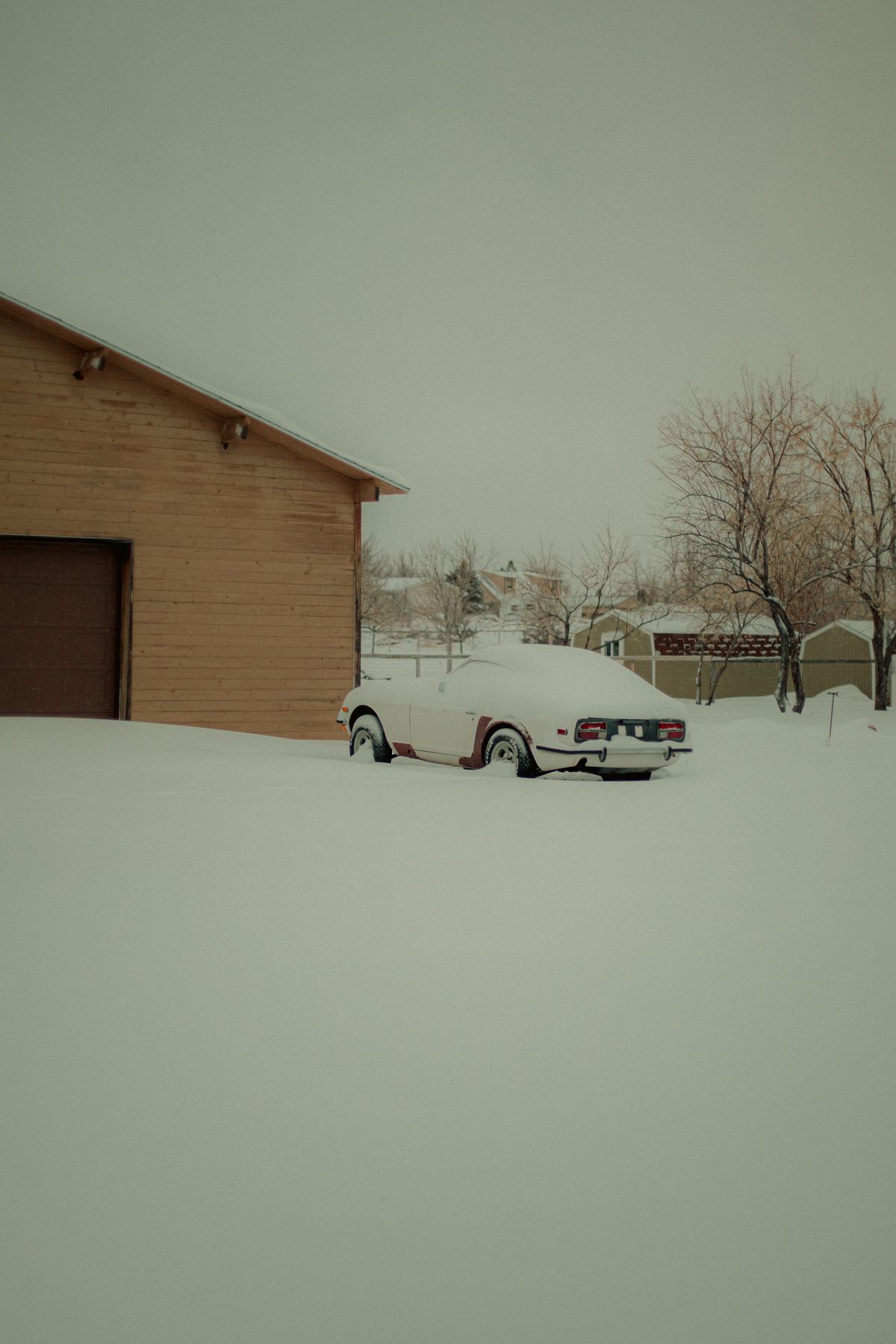
Winter garage moisture often comes from snow and slush melting off vehicles, plus condensation on cold surfaces when warm humid air enters. Remove bulk water, keep drains clear, store wet gear openly to dry, and use only equipment rated for the garage conditions.
What matters most
- Bulk meltwater should be removed before treating air humidity.
- Combustion appliances can add moisture and carbon monoxide risk.
- A cold garage may be below a compressor dehumidifier’s operating range.
Control the water on the floor
Use a suitable containment mat or floor drainage strategy that does not create a trip hazard. Squeegee standing water where it can be discharged safely and legally.
Salt-laden water can corrode shelving, door hardware, and vehicle components; rinse and maintain surfaces as appropriate.
Avoid unsafe heat shortcuts
Unvented fuel-burning heaters add water vapor and can create serious combustion hazards. Never run a vehicle for heat in a closed garage.
Any heater, fan, or dehumidifier must be listed for the location and used according to its clearances and electrical requirements.
Watch walls and door hardware
Condensation often appears first on metal doors, tracks, fasteners, and uninsulated wall areas. Compare surface temperatures with the indoor dew point.
Air sealing and insulation can reduce cold spots, but garage separation and fire-safety assemblies must remain intact.
A measured action plan
- 1Remove snow and standing water promptly.
- 2Dry wet gear with safe airflow.
- 3Avoid unvented combustion heaters.
- 4Evaluate insulation and equipment with garage safety in mind.
Useful tools to compare
These product categories match the checks in this guide. Compare specifications and current instructions; they are not hands-on test recommendations.
As an Amazon Associate I earn from qualifying purchases. Your price does not increase.Sources & further reading
Reviewed against the linked sources in August 2026. Product instructions and local codes take priority for a specific installation.