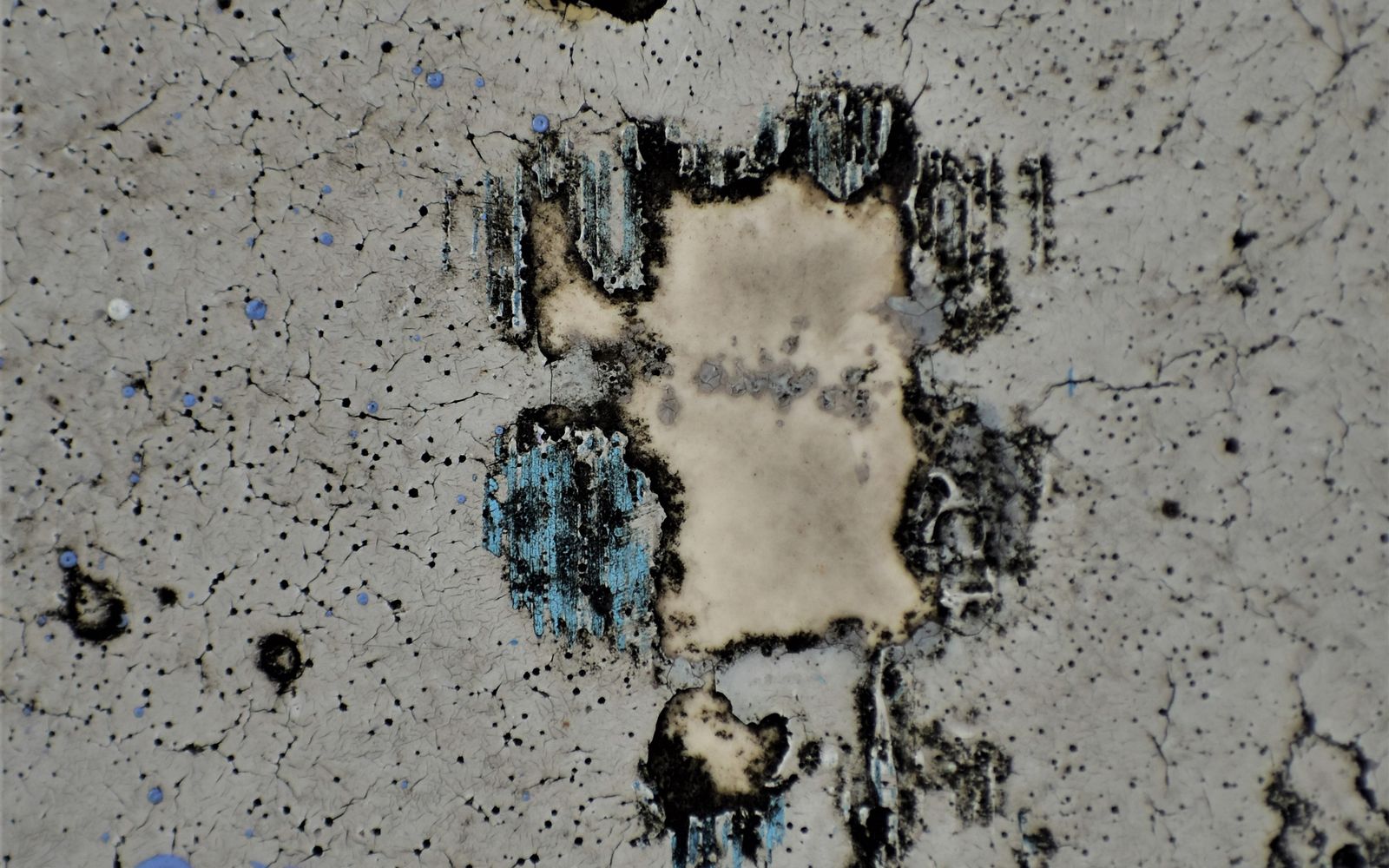
A musty odor is a reason to search for moisture, even when no growth is visible. Check soft materials, wall-floor edges, cabinets, HVAC-adjacent areas, and places affected by past leaks. Deodorizer alone does not correct the water source.
What matters most
- Follow the odor after the room has been closed for several hours.
- Prioritize past leak paths and materials that dry slowly.
- Large, recurring, or HVAC-connected problems deserve professional assessment.
Start with moisture history
List roof, plumbing, appliance, and foundation leaks from the last year. Materials can remain damp behind baseboards, under carpet pad, or inside cabinets after the visible surface dries.
Compare odor strength before and after rain, HVAC operation, and several hours with the door closed. The timing can narrow the source.
- Under sinks and around supply valves
- Carpet edges and stored cardboard
- Behind furniture on exterior walls
- Floor drains and sump lids
- Around air handlers and condensate lines
Measure without overinterpreting
Room RH helps identify a favorable moisture condition but cannot confirm or rule out hidden growth. A pin or pinless moisture meter can help compare suspect materials with known-dry areas when used according to its instructions.
Consumer air tests often create more questions than answers. EPA guidance focuses on correcting moisture and cleaning visible contamination rather than routine sampling in straightforward cases.
Remove the source, then the damaged material
Fix the leak or humidity problem first. Dry salvageable materials promptly and discard items that cannot be cleaned or fully dried in accordance with appropriate guidance.
Do not paint over a damp or contaminated surface. If the affected area is extensive, keeps returning, or involves HVAC equipment, consult a qualified remediation professional.
A measured action plan
- 1Close the room for two hours, then locate the strongest odor zone.
- 2Inspect past leak paths and slow-drying materials.
- 3Log RH and rain/HVAC conditions for a week.
- 4Correct moisture before using odor treatments or new finishes.
Useful tools to compare
These product categories match the checks in this guide. Compare specifications and current instructions; they are not hands-on test recommendations.
As an Amazon Associate I earn from qualifying purchases. Your price does not increase.Sources & further reading
- U.S. EPA — A Brief Guide to Mold, Moisture and Your Home ↗
- U.S. EPA — Controlling Moisture in Your Home ↗
Reviewed against the linked sources in August 2026. Product instructions and local codes take priority for a specific installation.